
- Agronomics
- Diseases
- Asian Rust
- Anthracnose
- Bacterial Blight
- Bacterial Pustule
- Bean Pod Mottle Virus
- Brown Stem Rot
- Cercospora Leaf Blight
- Charcoal Rot
- Downy Mildew
- Frogeye Leaf Spot
- Green Stem Syndrome
- Iron Deficiency Chlorosis
- Phytophthora Root & Stem Rot
- Powdery Mildew
- Rhizoctonia
- Seedling Diseases
- Septoria (Brown Spot)
- SCN (Soybean Cyst Nematode)
- Soybean Mosaic Virus
- Stem Canker
- Sudden Death Syndrome
- Viruses
- White Mold
- Pests
- Biological Control
- Diagnostic Tools
- About Us
- Library
| Disease: Green Stem Syndrome |


Your soybean checkoff.
Delivering Results.
Shenandoah Valley or Coastal Virginia: How Geography Impacts Solar Efficiency
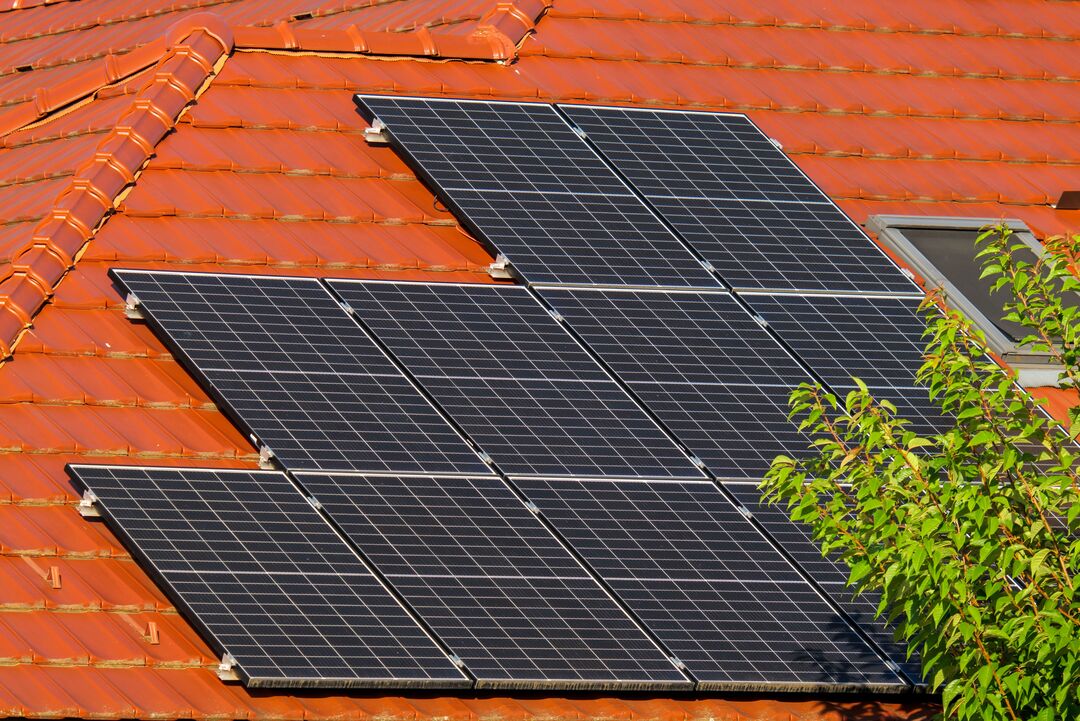
If you're weighing the benefits of solar energy in Virginia, you can't ignore how much geography matters. Whether you’re drawn to the rolling fields of Shenandoah Valley or the coastal plains near the Atlantic, each region brings a set of factors that can help or hinder solar panel performance. You'll find that sunlight exposure, climate, and even local land use play bigger roles than you might expect—and that's just the beginning.
Regional Sunlight Availability and Its Effects
Virginia's geography plays a significant role in determining solar efficiency across the state. Regional variations in sunlight availability are notable, with coastal areas such as Hampton Roads receiving more daily sunlight compared to regions like the Shenandoah Valley. This discrepancy is important for stakeholders evaluating solar energy potential, particularly in the context of developing solar arrays for public schools.
According to researchers at the Center for Clean Economy, land use parameters and rural settings directly influence the placement of solar panels, which must be carefully considered to optimize energy production. Supporting this, data from the Department of Forestry emphasizes the importance of site selection in maximizing solar efficiency, as highlighted in studies on Solar Panel Virginia.
Additionally, initiatives under the Clean Economy Act aim to promote grid expansion and facilitate the adoption of renewable energy sources across the state. These efforts underline the strategic importance of understanding regional sunlight availability as part of broader energy planning.
For ongoing information and developments in this field, interested parties may consider following relevant updates through social media platforms.
Climate Variables and Solar Panel Performance
Climate significantly impacts solar panel performance in Virginia through a range of variables.
Solar arrays located in coastal regions typically experience higher levels of irradiance, which can enhance energy production. However, both urban and rural areas face challenges due to humidity and temperature fluctuations. Elevated humidity and extreme heat can lead to a reduction in panel efficiency.
Additionally, soiling from organic materials such as pollen or leaf litter, which is particularly prevalent near Public School properties, can further impede energy output.
The Clean Economy Act emphasizes the importance of ongoing research and support to better understand these factors and improve solar panel performance.
Engaging with platforms such as Facebook, Twitter, and LinkedIn can provide updates on developments in this area.
Land Use Patterns and Environmental Considerations
Land use plays a significant role in determining the viability and effects of solar energy initiatives in the Shenandoah Valley and Coastal Virginia. In Coastal Virginia, previously agricultural land has been repurposed for solar arrays, which contributes to both energy production and economic growth. This trend is consistent with the objectives established by the Clean Economy Act; however, the classification of solar panels as impervious surfaces poses challenges for grid management and environmental sustainability.
In the Shenandoah Valley, land use is influenced prominently by forest cover. Decisions around land development must consider the balance between conservation and the need for infrastructure, as highlighted by various school and public programs designed to promote sustainable practices.
The Virginia Department of Forestry, in conjunction with the Center for New Research, is involved in facilitating the responsible expansion of solar power in these regions. Official channels such as Facebook, Twitter, and LinkedIn provide updates and relevant information regarding these energy initiatives and environmental policies.
Stormwater Management Challenges in Solar Development
The installation of solar panels in Virginia on land that was previously used for agriculture or forest has significant implications for stormwater management. These solar arrays contribute to increased peak flow events due to their impervious surfaces, which prevent rainfall from infiltrating the soil, a contrast to the natural absorption that occurs in rural land.
As Virginia experiences rapid growth in solar energy development, it has become essential for public programs, as well as educational institutions, to adapt their strategies to address these changes. The state's Department of Forestry, in conjunction with the Department of Environmental Quality, is undertaking research to inform policies under the Clean Economy Act. This initiative is supported by a $3.4 million investment aimed at studying stormwater runoff associated with solar development.
Moreover, local residents have expressed concerns regarding the implications of this shift in land use, particularly with respect to air quality and climate change.
This highlights the need for a comprehensive approach to mitigate the environmental impacts of solar development while balancing the benefits of renewable energy production.
Regulatory Framework and Best Practices for Optimization
The regulatory framework governing solar energy systems in Virginia plays a crucial role in ensuring project efficiency and environmental stewardship.
Compliance with the Uniform Statewide Building Code, as well as the National Electrical Code (NEC) Article 690, is essential for all installations, including those in schools, public spaces, and rural communities.
The Clean Economy Act facilitates the monitoring of solar panels and arrays to ensure optimal power efficiency.
Additionally, stormwater management regulations are significant, particularly following the recent classification of solar panels as impervious surfaces, which has implications for land use policies.
Recommendations from researchers at the Center for Renewable Energy and the Department of Forestry emphasize the importance of implementing best practices for runoff mitigation to address potential environmental impacts.
For ongoing updates and support regarding regulatory compliance and best practices, individuals and organizations may consider following relevant social media channels.
Conclusion
When considering solar installation in either Shenandoah Valley or Coastal Virginia, you’ll need to weigh geography, climate, and land use. You face varied sunlight, weather patterns, and environmental impacts depending on your location. With the right planning and understanding of local regulations, you can optimize solar efficiency and contribute to sustainable energy. Whether you’re in rural fields or urban coastal areas, thoughtful site selection and stormwater management help you make the most of solar investment.