
- Agronomics
- Diseases
- Asian Rust
- Anthracnose
- Bacterial Blight
- Bacterial Pustule
- Bean Pod Mottle Virus
- Brown Stem Rot
- Cercospora Leaf Blight
- Charcoal Rot
- Downy Mildew
- Frogeye Leaf Spot
- Green Stem Syndrome
- Iron Deficiency Chlorosis
- Phytophthora Root & Stem Rot
- Powdery Mildew
- Rhizoctonia
- Seedling Diseases
- Septoria (Brown Spot)
- SCN (Soybean Cyst Nematode)
- Soybean Mosaic Virus
- Stem Canker
- Sudden Death Syndrome
- Viruses
- White Mold
- Pests
- Biological Control
- Diagnostic Tools
- About Us
- Library
| Disease: Green Stem Syndrome |


Your soybean checkoff.
Delivering Results.
How Solar Monitoring Systems Work and Why They’re Important for Homeowners
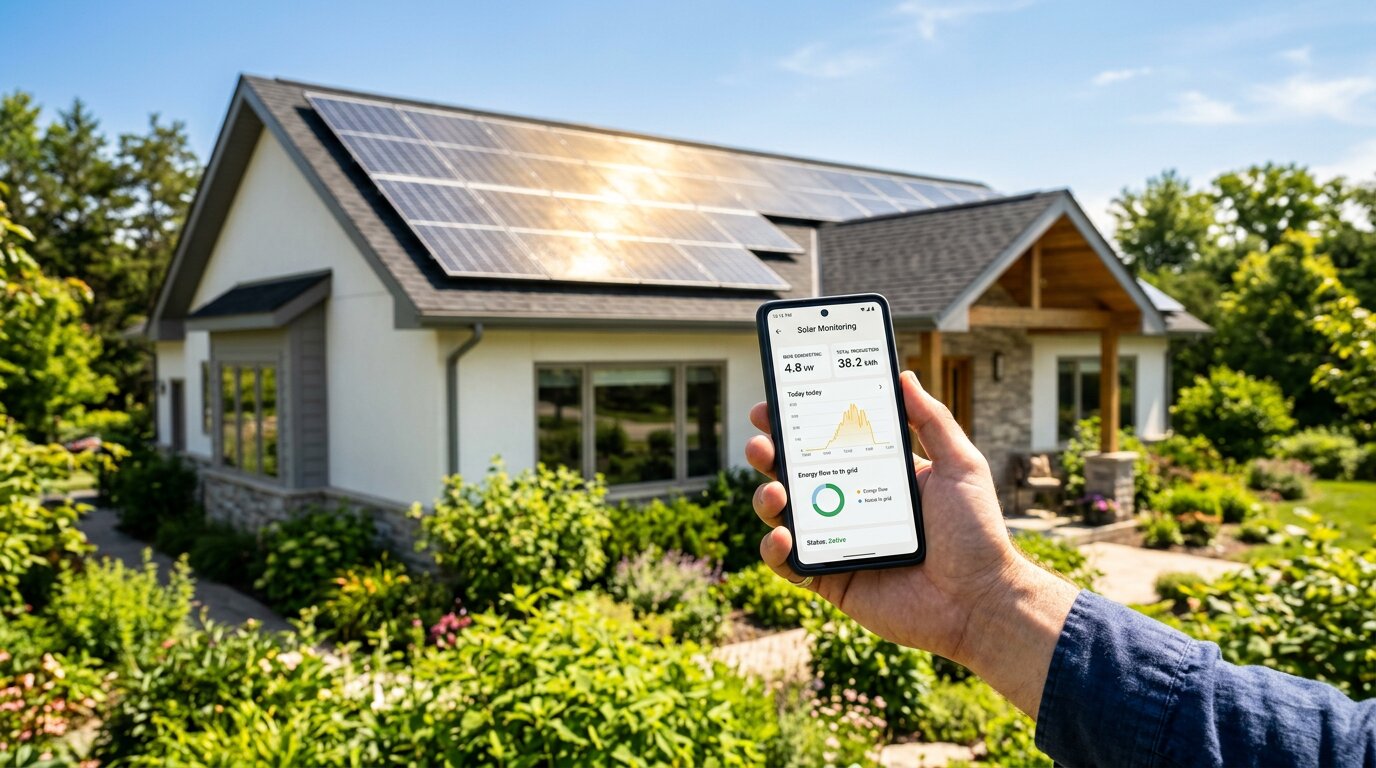
If you’ve invested in solar panels, you want to know they’re working efficiently every day. Solar monitoring systems let you keep tabs on how much energy you're producing and using, and alert you when panels aren’t performing their best. With real-time data and handy notifications, you’re more in control of your energy savings than ever before. But have you considered just how much these systems can do for your home's long-term performance?
Understanding Solar Monitoring Systems
Solar monitoring systems are essential tools for evaluating the performance of solar panel installations. They function by tracking key metrics such as energy production, system efficiency, and overall operational status. Users can access this information through dedicated applications or web platforms, which present real-time data regarding daily electricity generation.
By employing a monitoring system, homeowners can ascertain whether their solar equipment is functioning optimally. These systems facilitate early detection of potential issues, enabling timely maintenance and repairs. Additionally, they provide valuable insights into energy consumption patterns and potential savings on utility bills.
Furthermore, consistent performance tracking allows homeowners to compare actual energy production against expected benchmarks. This level of monitoring not only aids in financial assessments, such as return on investment, but also extends to evaluating environmental benefits, particularly in relation to battery storage and reduced reliance on traditional energy sources.
Overall, solar monitoring systems are beneficial for ensuring that solar energy systems operate efficiently while maximizing both economic and environmental returns.
Key Functions of Solar Monitoring
Solar panels are engineered for longevity; however, maintaining their optimal performance necessitates regular oversight. A solar monitoring system enables users to observe energy production data in real-time through various applications or platforms, such as Solar Panels Charlotte. This continuous monitoring ensures that the solar array functions within expected parameters.
One of the key benefits of such a system is the provision of timely alerts regarding operational issues, which allows for proactive maintenance and helps prevent minor concerns from escalating into more significant problems.
Additionally, monitoring facilitates insights into daily electricity generation, enabling homeowners to compare actual output against predicted levels. This analysis not only assists in understanding consumption patterns but can also lead to potential cost savings on energy bills.
Furthermore, effective monitoring can help homeowners optimize battery storage capabilities and support environmental benefits through the return of surplus energy to the grid. Overall, maintaining a robust solar monitoring system is crucial for maximizing the efficiency and financial advantages of solar energy installations.
Essential Metrics Tracked by Monitoring Tools
When evaluating the performance of a solar installation, it is crucial to understand the specific metrics that monitoring tools track. These platforms provide homeowners with access to comprehensive data regarding electricity generation, consumption patterns, and the overall status of the system.
By analyzing both daily and long-term trends, users can confirm that their equipment is functioning as intended. Monitoring tools can also issue timely alerts regarding potential issues, enabling homeowners to address any faults efficiently.
The insights gained from these applications reveal important details about energy usage, savings, and the amount of electricity returned to the grid. Tracking these metrics is essential for maximizing financial savings, reducing utility expenses, and realizing the environmental advantages associated with solar energy and battery storage systems.
In summary, effective monitoring contributes to the optimization of solar installations, allowing homeowners to make informed decisions regarding their energy consumption and sustainability efforts.
Advantages of Using Solar Monitoring
The integration of a solar monitoring system provides several practical benefits regarding energy management and system performance evaluation. It enables users to obtain real-time data on energy production and overall system functionality, which facilitates the prompt identification of potential operational issues.
Daily monitoring through a designated app or platform allows users to assess electricity generation, consumption, and any surplus energy returned to the grid. This information not only grants insights into personal energy usage but also aids in understanding potential savings associated with solar energy utilization.
Furthermore, early notifications regarding equipment performance can assist homeowners in forestalling costly repairs, which contributes to the longevity and efficiency of the solar system. Historical data tracking offers valuable insights into consumption patterns, which can be employed to mitigate utility expenses over time.
Finally, these monitoring systems reinforce the realization of the environmental advantages associated with solar energy, promoting informed decisions regarding energy consumption and sustainability.
Overall, solar monitoring provides a structured approach to energy management, benefiting both individual users and the broader environment.
Features to Look for in a Solar Monitoring Platform
A dependable solar monitoring platform provides essential tools that extend beyond basic performance metrics. It should deliver real-time data on electricity generation, enabling homeowners to track their solar system’s performance and identify potential issues proactively. Effective tracking features will facilitate a comparison of actual output against expected performance, thereby offering insights into system efficiency.
Moreover, historical performance data and consumption statistics are critical for homeowners aiming to optimize their energy use and financial savings. Alerts for equipment status are also important, as they simplify maintenance and ensure the system operates effectively.
Collectively, these features not only allow homeowners to monitor their energy production and consumption but can also contribute to reduced utility expenses and provide both environmental and financial advantages.
The Role of Mobile Applications in Solar Monitoring
The advent of mobile applications has significantly enhanced the accessibility of solar monitoring for homeowners. These applications provide users with real-time data regarding the performance of their solar energy systems, enabling them to track metrics such as daily energy consumption, savings, and the amount of electricity generated.
Through these platforms, users can monitor the operational status of their solar equipment and receive timely notifications if any potential issues arise. This capability allows for proactive maintenance and ensures that systems function optimally.
Furthermore, mobile applications facilitate the analysis of energy trends, including the volume of electricity returned to the grid and the levels of stored energy in battery systems. By effectively utilizing the available data, users can make informed decisions that contribute to cost savings on utility bills, as well as appreciate the long-term financial and environmental advantages of solar energy adoption.
Overall, mobile applications serve as a practical tool for managing and optimizing solar energy utilization, ultimately supporting users in maximizing their investment in renewable energy sources.
Maximizing Homeowner Benefits Through Solar Monitoring
Incorporating solar monitoring into a home energy system enhances the homeowner's ability to make informed financial decisions regarding their solar investment. Monitoring systems and applications provide real-time data on electricity generation, consumption, and grid contributions. This performance tracking is vital for ensuring the solar system operates efficiently and effectively.
By identifying potential issues early, homeowners can address problems promptly, which may extend the lifespan of the equipment and lead to cost savings. Additionally, monthly reports detail financial savings, return on investment, and environmental impacts associated with solar energy use.
Effective monitoring also facilitates the optimization of battery storage and electricity usage, contributing to enhanced savings on a day-to-day basis. Overall, solar monitoring serves as a valuable tool for homeowners looking to maximize the benefits of their solar energy systems.
Conclusion
With a solar monitoring system, you’re no longer guessing about your home’s energy performance. You get clear insights, real-time alerts, and tools to keep your system running smoothly. It’s easier to spot issues, optimize usage, and protect your investment. Plus, remote access and smart features add convenience. By actively using your monitoring platform, you’ll get the most out of your solar setup and enjoy greater peace of mind about your energy future.